
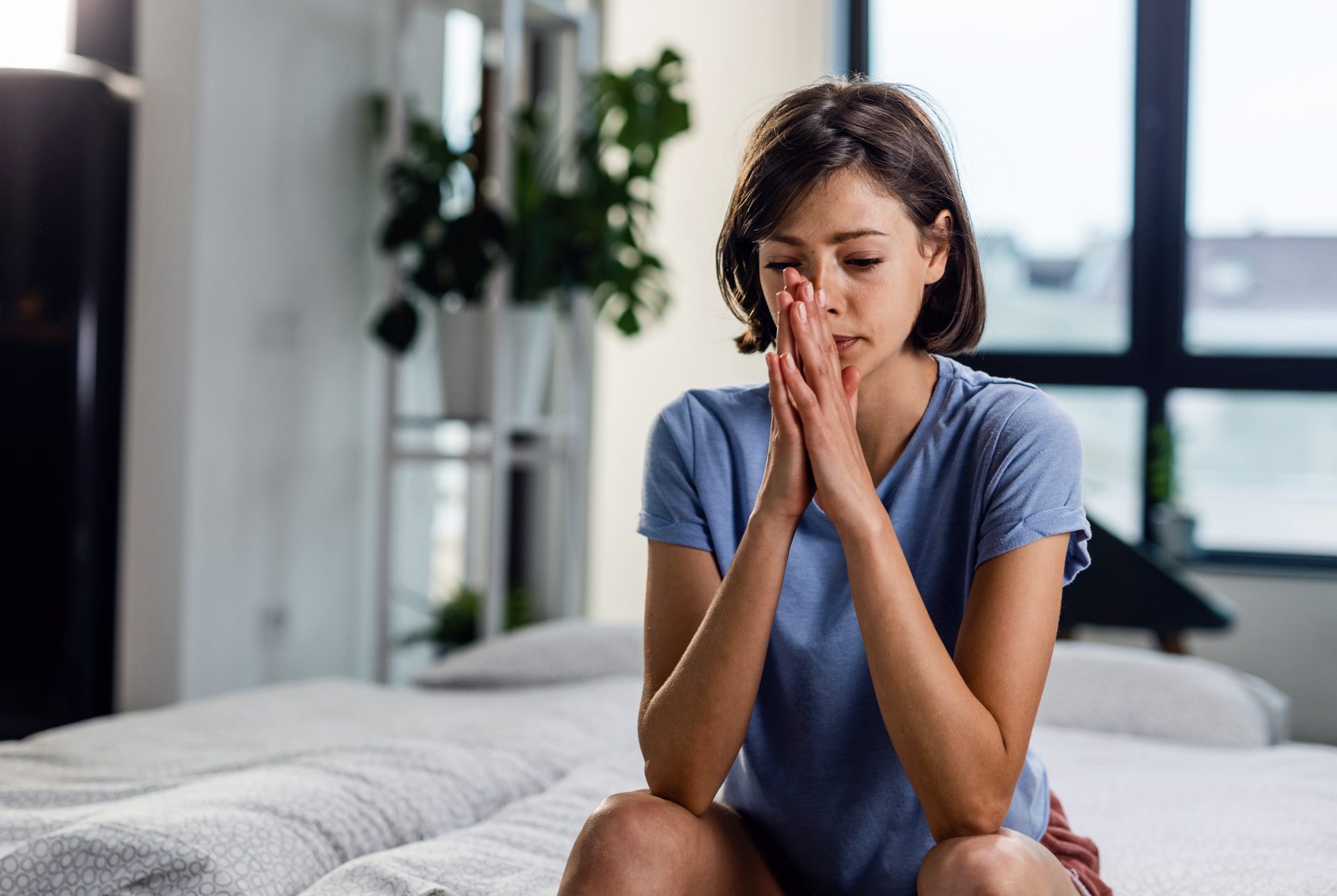
Understanding Anxiety
Anxiety is something many people experience at different points in life. It can appear before a presentation, an audition, an interview or even during an ordinary day for no obvious reason. For some, anxiety feels like racing thoughts. For others, it feels physical, with a tight chest, shallow breathing or a pounding heart.
When anxiety takes over, it can be difficult to stay present. Even simple tasks can feel harder when your body is stuck in a stressed state. That is why finding healthy, practical ways to manage anxiety can be so valuable.
Can Singing Help With Anxiety?
Singing may not be the first thing people think of when they want relief from anxiety, but it can be a powerful tool. As a vocal coach, I have seen that working with the voice can do much more than improve technique or performance. Singing can help people feel calmer, more focused and more in control.
This is because singing combines several things that are helpful for anxiety: breath control, repetition, concentration and physical release. Rather than staying trapped in anxious thoughts, the mind is given something steady and constructive to focus on.
Why Singing Can Reduce Anxiety
One of the main reasons singing can help with anxiety is the way it changes breathing. Anxiety often causes quick, shallow breaths, which can make the body feel even more tense. Singing encourages slower, more controlled breathing, especially on the exhale. This can help signal to the nervous system that the body is safe and able to relax.
Singing also encourages focus. When you are paying attention to melody, rhythm, pitch or words, there is less room for anxious overthinking. Even a few minutes of singing can interrupt that cycle and create a sense of calm.
For many people, singing also brings a feeling of emotional release. It allows the body to let go of tension naturally and expressively. Whether you sing alone or with others, it can feel grounding, uplifting and supportive.
The Connection Between Breath, Voice and Anxiety
There is a strong link between the voice and the nervous system. When anxiety rises, the body becomes tense, and the breath becomes restricted. This affects how we feel, how we think and even how we sound when we speak.
Singing works in the opposite direction. It encourages deeper breathing, better posture and more awareness of the body. These changes may seem small, but they can make a real difference when anxiety starts to build.
Using the voice in a calm and controlled way can help you feel more centred. Over time, this can build a stronger sense of confidence and self-awareness, which is especially helpful for people who regularly deal with anxiety.
Singing and Emotional Well-being
Another reason singing can support anxiety relief is that it helps create a stronger connection between mind and body. Anxiety often pulls people out of the present moment. Singing brings you back into it. You have to listen, breathe and stay aware of what you are doing.
This is one of the reasons singing can feel so therapeutic. It is not only about making sound. It is about rhythm, breath, emotion and presence. For some people, singing becomes part of their routine for managing anxiety in a healthy and creative way.
Singing with others can also be especially powerful. Group singing can create a sense of belonging and connection, which can be comforting for anyone struggling with anxiety. Feeling connected can help reduce feelings of isolation and bring a greater sense of ease.
Simple Singing Exercises for Anxiety
Breath-Focused Humming
Breathe in for a count of four, then hum gently on “mmm” as you breathe out for six to eight seconds. This longer exhale can help settle the body and support a calmer state of mind.
Five-Note Sirens
Using “oo” or “ah”, slide gently up and down a comfortable five-note pattern. Keep the sound relaxed and smooth. This can help release tension and encourage more open, steady breathing.
Gentle Humming
Soft humming is one of the easiest vocal exercises to try when anxiety rises. It is calm, low-pressure and soothing for the breath. Even a minute or two of gentle humming can help slow things down.
Vocal Play and Laughter
Simple vocal play, light sounds or even intentional laughter can help release physical tension. It may feel a little silly at first, but it can be a very effective way to shift the body out of an anxious state.
Why Simple Vocal Exercises Matter
The best thing about these exercises is that they are easy to do. You do not need to be a trained singer to benefit from them. The goal is not perfection. The goal is to use the voice to support calmer breathing, reduce tension and practically manage anxiety.
Used regularly, these small exercises can become helpful tools for everyday life. They can be especially useful before stressful situations such as public speaking, meetings, performances or difficult conversations.
Singing as a Practical Tool for Anxiety
Singing is not a cure for anxiety, but it can be a simple and effective way to support your wellbeing. It offers a moment of pause, a chance to breathe more deeply and an opportunity to reconnect with your body.
For some people, singing becomes part of their self-care routine. For others, it is something they turn to in stressful moments when anxiety begins to rise. Either way, it can be a gentle, accessible tool that supports calm and confidence.
Final Thoughts
Anxiety is a common experience, but that does not make it any easier to deal with. Small, supportive habits can make a real difference, and singing is one of them. By combining breath, focus and sound, singing offers a natural way to calm the mind and body.
The more we understand the relationship between the voice and anxiety, the more we can see singing as more than a creative activity. It can also be a practical and empowering way to feel more balanced, more present and more in control.